Forecast Vibes
Regardless of the weather, it’s always chill here.
Predicting the weather
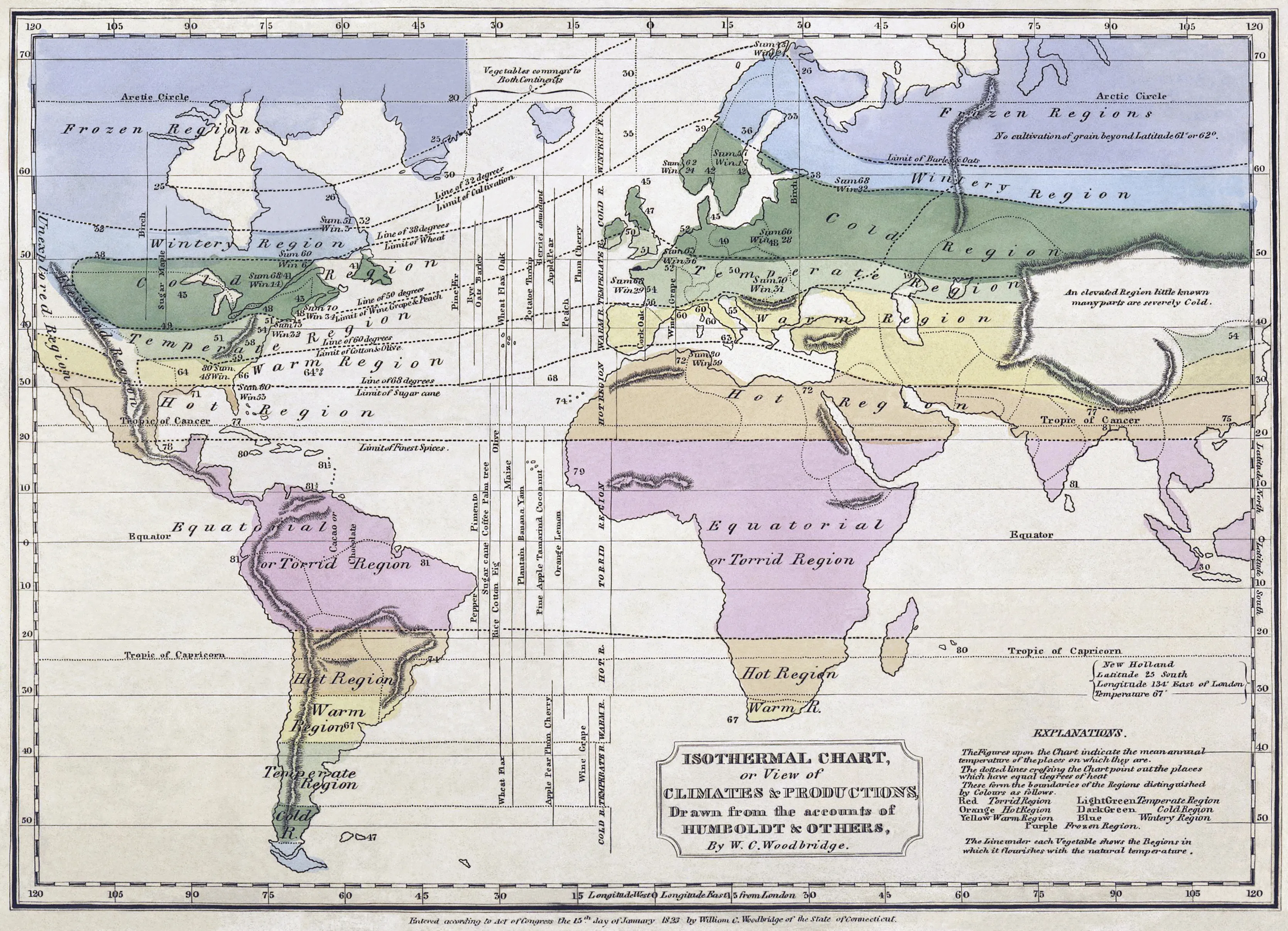
The weather affects our lives in a multitude of ways. Talking about it is an almost universal experience.
People have attempted to predict the weather informally for thousands of years and formally since the 19th century, as the Weather Forecasting article on Wikipedia points out.
From the Babylonians in 650 BC to us today with a forecast widget on our phones’ lock screen, very few formats of data visualisation and communication have been so omnipresent throughout history.
The advent of television
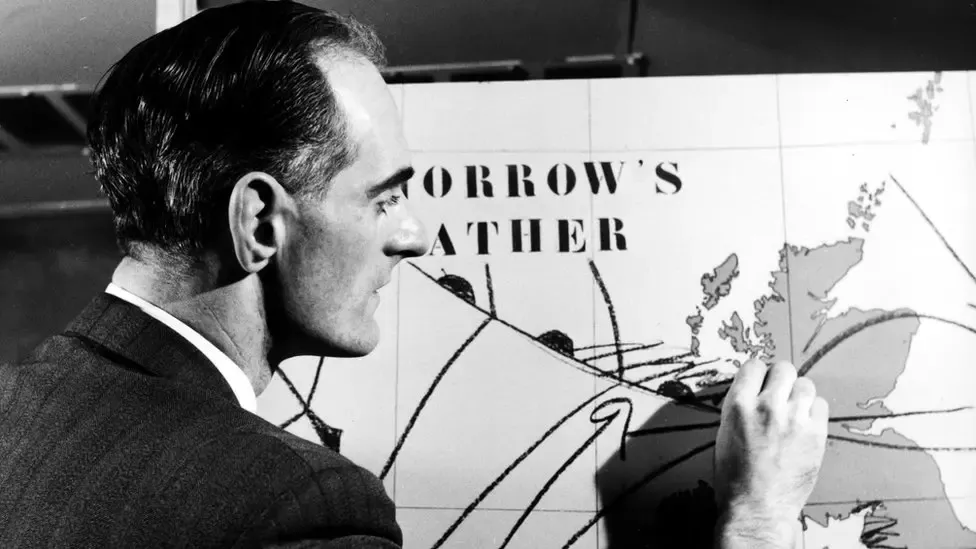
The first-ever daily weather forecasts were published in the British newspaper The Times on 1 August, 1861.
On television, the first weather forecast was broadcast by the BBC, in 14 November 1936, which included the use of weather maps.
Fast-forward to 1982, The Weather Channel launched as a 24-hour cable network exclusively broadcasting weather reports over the US, both national and local.
It later expanded internationally and, on a time before easy instant access to online information, was a genuine source of weather forecast for many, and background images and noise for many others who left the TV on while doing something else, listening to its calm tunes.
When vapour meets wave
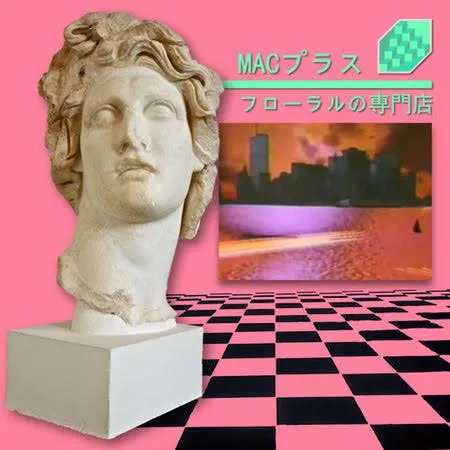
In the early 2010s, a new genre of music and aesthetic took the Internet by storm. Vaporwave leaned on slowed-down, chopped and distorted samples of smooth jazz, elevator music, R&B, and lounge music from the 1980s and 1990s.
The aesthetic part was a nod to early computer technology, such as 90s web design, low image quality and glitchy art, and also ancient Greek and Roman sculpture, combined with 3D rendered objects.
Like most art, it is hard to explain and contextualise over text. But it was a hit, that is for sure – at least on the online communities of which I was a part.
The project

I created Forecast Vibes as nod to both the history of TV weather forecast and the vaporwave genre. The throwback to earlier technology of vaporwave and the background-esque music of broadcast forecasting was a great opportunity to combine these two into something new.
Forecast Vibes is meant to, first, bring a chuckle of nostalgia. To bring a reaction of “really?” and a smile to the face of whoever stumbles onto it. But then, it may fade onto the background. Like the TV channel one would leave on while working, or cooking, or cleaning, or chilling.
That is the vibe I’ve gone for.
How it was made
Forecast Vibes is a Next.js application. It didn’t start off as one, it was just a bare bones React project. The move to Next.js was mostly to avail of the easy caching primitives of the framework, that work out of the box when deployed on Vercel.
The app uses Leaflet with Open Street Maps for the base layer, with weather maps from Weather API and data from Open Meteo.
I wrote a script to generate a list of candidate cities for each country, with heuristics to spread them out somewhat evenly considering the countries area, and the city population and “importance” (administrative capitals, for example, could be prioritised).
When a country is loaded, it fetches weather data for the next two days for all the above mentioned cities. This is cached for a few hours to reduce the load on the data source APIs.
The visual effects imitate older CRT television sets, with visible scan lines and other distortion to set the ambiance. The 4:3 aspect ratio really seals the deal, borrowing from a scaling technique I also used when building Dominogue.
Finally, the music. It comes from a Soundcloud playlist I made by distilling other vaporwave and similar playlists I could find. As time goes, this playlist may be updated to keep things fresh.
Now go, feel the vibe
Go to Forecast Vibes. Regardless of the weather, it’s always chill here.
